Regulatory Compliance Checks Shape Live Dealer Game Availability Across Multi-State Mobile Networks
Kai Peters · Jul 11, 2026
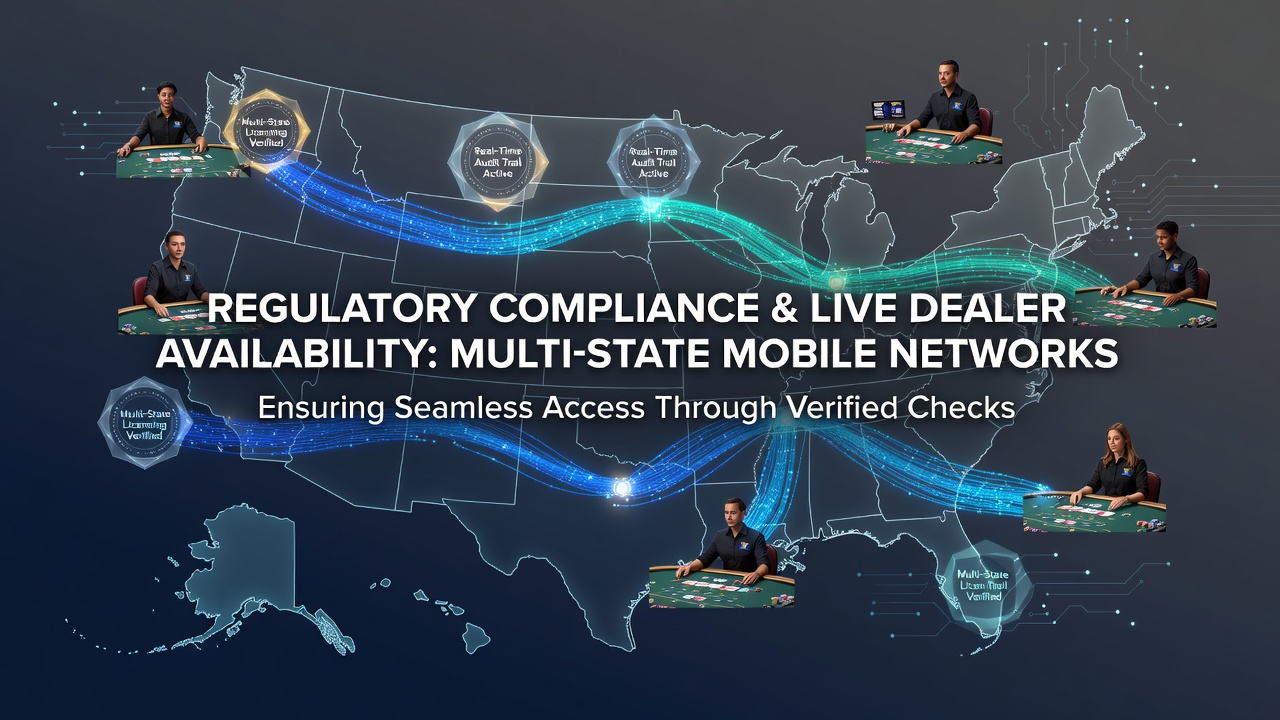
Regulatory Compliance Checks Shape Live Dealer Game Availability Across Multi-State Mobile Networks
Multi-state mobile networks operate under overlapping regulatory frameworks that directly influence which live dealer games reach players, and compliance verification processes determine rollout timelines in each jurisdiction. Operators must navigate distinct licensing requirements, technical standards, and ongoing audit protocols before live dealer tables become accessible on smartphones and tablets. These checks cover identity verification systems, game fairness algorithms, and data transmission security measures that vary from one state to teh next.
Core Compliance Elements in Mobile Gaming Environments
State regulators require real-time monitoring of player locations, age verification, and transaction logging before any live dealer session can begin. Each network segment undergoes testing for geofencing accuracy and server synchronization to ensure games remain available only within approved boundaries. Data from the American Gaming Association shows that states with unified compliance platforms processed operator applications 30 percent faster in the first half of 2026 compared with fragmented systems still in use elsewhere.
Live dealer studios must maintain separate feeds and recording archives for every jurisdiction served, and these archives feed into automated compliance dashboards reviewed by regulatory staff. The process creates a direct link between the speed of compliance sign-off and the number of tables operators can activate on any given day. When a new state adds stricter data retention rules, networks often pause expansion of live dealer blackjack or roulette until updated protocols receive approval.
How Multi-State Networks Coordinate Availability
Operators serving several states simultaneously run centralized compliance engines that map each game's status against current regulations. These engines flag when a live dealer title meets every state's technical and reporting thresholds, allowing simultaneous or staggered launches depending on approval dates. In July 2026 several networks completed synchronized updates that brought additional live dealer baccarat variants online in three states within the same week after a shared audit cycle concluded.
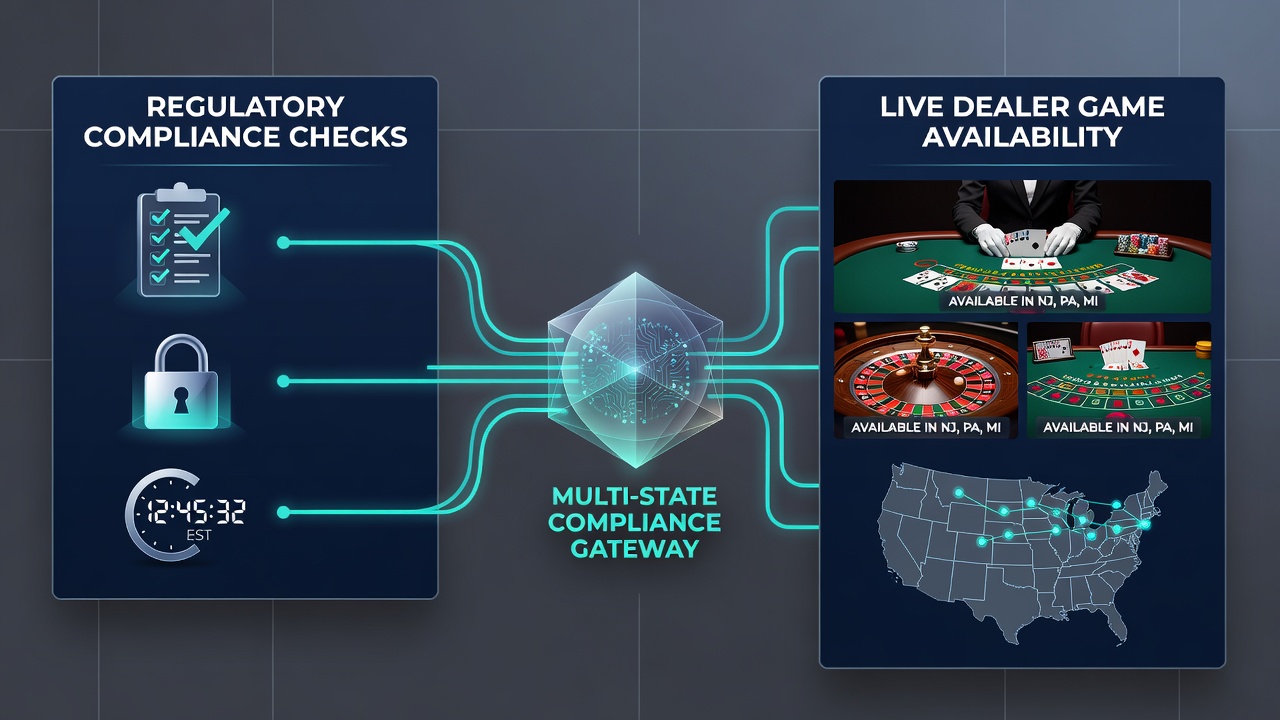
The coordination relies on standardized APIs that push compliance status updates to mobile apps, and these updates control whether a game icon appears as active or locked for individual users. Research from the National Council of Legislatures and Gaming Regulators indicates that states sharing audit data through secure portals reduced duplicate testing by nearly 40 percent, which in turn accelerated live dealer availability for operators already licensed in multiple markets. Yet networks still maintain separate failover systems for each state because a single compliance failure can force immediate removal of affected tables across all connected devices.
Technical Standards and Their Effect on Game Rollouts
Live dealer platforms must integrate certified random number generators for side bets, encrypted video streams, and automated dealer identity checks that satisfy every participating regulator. When one state adopts new encryption requirements, operators often delay launches elsewhere until teh entire network upgrades, because maintaining inconsistent standards creates compliance gaps. The European Gaming and Betting Association published findings in early 2026 that documented how staggered encryption rollouts extended average deployment times by 11 weeks in cross-border mobile environments.
Mobile networks also track session-level data for tax reporting and responsible gaming triggers, and these requirements differ enough between states that operators build modular compliance layers. Each layer activates or deactivates based on the user's detected location, which directly determines the live dealer catalog presented on screen. Observers note that states with automated reporting integrations saw higher numbers of active live dealer tables per licensed operator during the spring and summer of 2026.
Case Patterns Across Jurisdictions
One multi-state operator completed compliance verification for a new live dealer poker network in two states during March 2026, yet a third state's additional audit of dealer training records postponed availability until late April. The delay affected thousands of daily mobile sessions and required temporary substitution of RNG-based alternatives. Similar patterns appear when states revise advertising rules or player fund segregation standards, forcing networks to isolate affected live dealer streams until new documentation clears review.
Another example involves a platform that expanded live dealer offerings into a fourth state after regulators accepted compliance reports already validated by two neighboring jurisdictions. The acceptance relied on reciprocal data-sharing agreements that eliminated redundant hardware inspections, and the operator activated 14 additional tables within 10 days of final sign-off.
Conclusion
Regulatory compliance checks and live dealer game availability remain tightly coupled in multi-state mobile networks because every technical and operational requirement must align before tables appear on player devices. Data-sharing agreements, standardized testing protocols, and modular compliance systems continue to shape how quickly operators can expand offerings as new states come online. The connections between these processes determine both the breadth of available games and the consistency of the player experience across state lines.