Regulatory Harmonization Efforts Among Tribal Nations for Unified Gaming Standards
Erik Werner · Jul 13, 2026
Regulatory Harmonization Efforts Among Tribal Nations for Unified Gaming Standards
Tribal nations across the United States have pursued coordinated regulatory frameworks for gaming operations since the Indian Gaming Regulatory Act established the foundation in 1988, and these initiatives have accelerated as digital platforms expand reach beyond reservation boundaries. Observers note that differences in state compacts and tribal ordinances create compliance burdens when players cross jurisdictions, which prompts groups like the National Indian Gaming Association to organize working sessions aimed at aligning core rules on licensing, auditing, and responsible gaming measures. In July 2026 several regional coalitions scheduled follow-up meetings to review draft language that would standardize technical requirements for online systems while preserving each nation's sovereign authority over internal operations.
Background on Tribal Gaming Regulation
The National Indian Gaming Commission oversees Class II and Class III gaming through a combination of federal minimum standards and tribal-state compacts, yet individual tribes retain latitude to impose stricter provisions. This flexibility supports cultural priorities but leads to inconsistencies when operators seek multi-jurisdictional approvals. Researchers at institutions focused on indigenous policy have documented how varying age-verification protocols and advertising restrictions complicate cross-border player experiences, and data from commission reports show that nearly forty percent of tribal gaming facilities now maintain some form of online or mobile component.
Key Organizations Driving Coordination
The National Indian Gaming Association convenes annual policy summits where tribal regulators exchange model ordinances and discuss emerging issues such as geolocation accuracy for mobile betting. Another body, the United South and Eastern Tribes Gaming Commission, has circulated template language covering internal control standards that participating nations can adapt without ceding authority. These efforts gained momentum after several tribes encountered conflicting audit demands from adjacent states, prompting joint letters to federal agencies requesting clearer guidance on shared technology platforms.
What's interesting is how technical working groups have tackled RNG certification and data-security benchmarks, areas where uniform testing protocols reduce duplication of vendor evaluations. Participants from tribes in the Midwest and Southwest have shared case studies showing that harmonized standards shortened approval timelines for new game releases by several weeks. External observers from academic research centers have tracked these developments through publicly available meeting minutes and noted measurable progress on mutual recognition agreements for compliance officers.
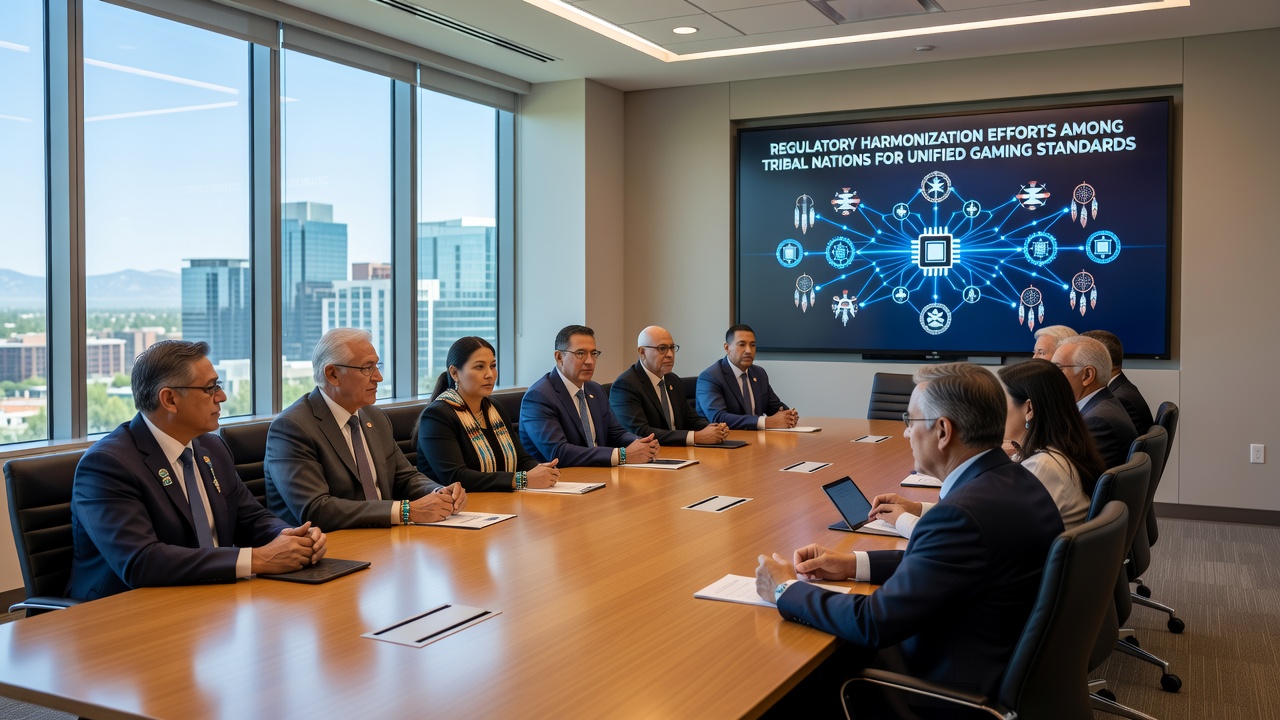
Progress on Unified Technical Standards
By mid-2026 several tribes had adopted compatible frameworks for player fund segregation and dispute resolution procedures, allowing seamless account transfers when users move between approved platforms. According to figures published by the National Indian Gaming Commission, tribal gaming revenue surpassed $40 billion annually, underscoring the economic stakes involved in reducing regulatory friction. Working committees continue to refine language around responsible gaming tools, including unified self-exclusion lists that respect tribal confidentiality requirements while enabling broader enforcement.
One study released by a university-affiliated policy institute examined how aligned advertising guidelines could limit exposure to minors across state lines, and the findings indicated that consistent disclosure language improved player awareness metrics in pilot programs. Yet sovereignty remains central; every participating nation retains veto power over any proposed standard that conflicts with local law or tradition, which keeps negotiations deliberate and consensus-driven.
Challenges and Ongoing Negotiations
Differences in tax treatment and revenue-sharing formulas with states create friction points that harmonization talks deliberately sidestep, focusing instead on operational and technical alignment. Tribal attorneys emphasize that any unified standards must remain voluntary and subject to amendment by individual councils. In practice this means model rules circulate for review, receive comments from legal and compliance teams, and then return for ratification votes that may span multiple quarters.
Regional differences also surface around sports wagering rules, where some tribes operate under compact amendments allowing in-person mobile betting while others await legislative updates. Joint task forces have mapped these variations onto a shared compliance matrix, making it easier for vendors to prepare certification packages that satisfy multiple jurisdictions simultaneously. The approach mirrors earlier successes with slot machine testing laboratories that now issue reports accepted by dozens of tribal regulators.
Future Outlook
Meetings scheduled through the remainder of 2026 will address emerging technologies such as blockchain-based transaction logging and expanded responsible gaming analytics. Participants expect to finalize a voluntary certification seal that operators can display once independent auditors verify adherence to the core standards. Continued dialogue with federal agencies aims to clarify how these tribal-led initiatives interact with existing IGRA provisions without requiring new legislation.
Conclusion
Regulatory harmonization among tribal nations proceeds through sustained collaboration among regulators, attorneys, and technical experts who balance uniformity with sovereign control. The frameworks developed to date cover licensing reciprocity, technical testing, and player protection measures while leaving room for local customization. As online gaming expands, these coordinated standards position tribal operations to meet player expectations for consistent experiences across platforms without compromising the distinct legal status of each nation.