Slot Manufacturers Address Tariff Impacts at Las Vegas Gaming Conference
Theo Lehmann · Jun 3, 2026
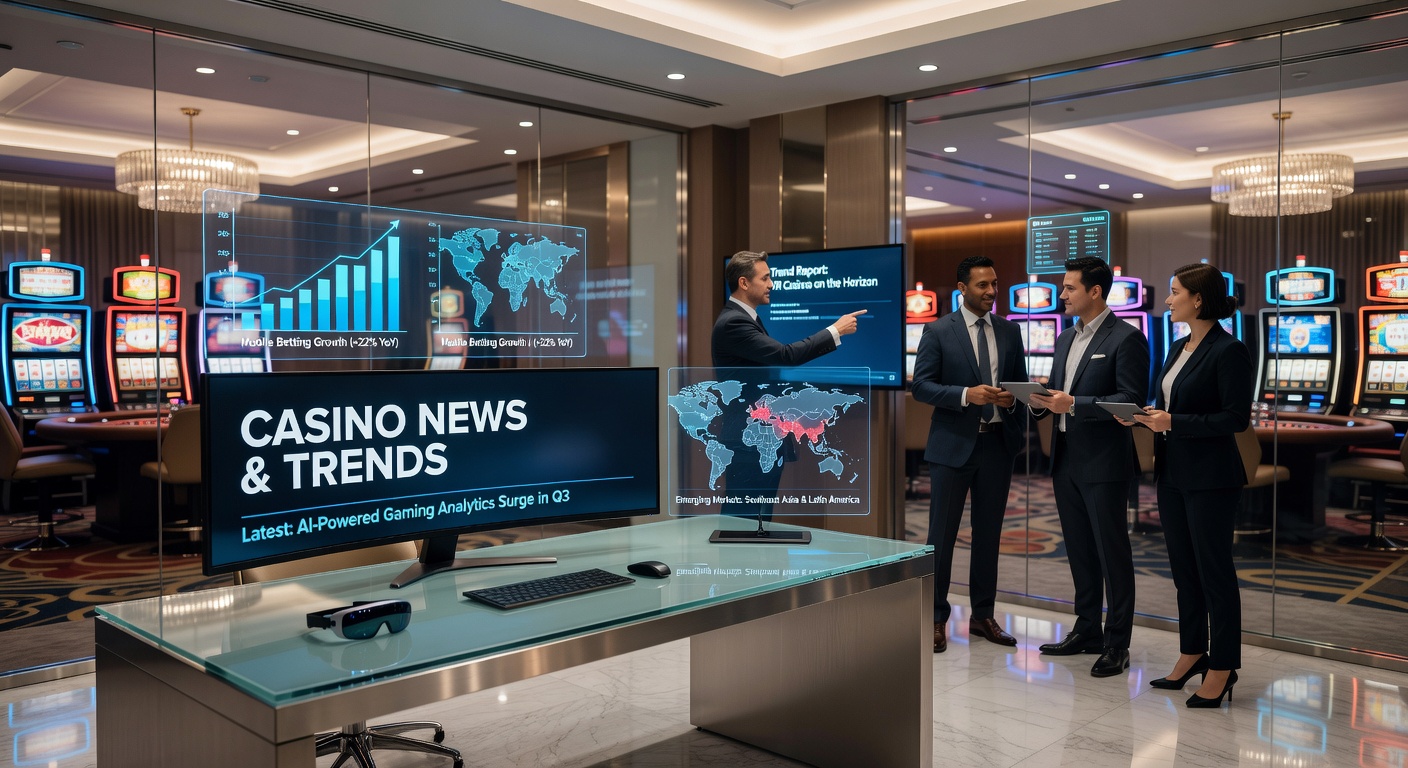
Slot Manufacturers Address Tariff Impacts at Las Vegas Gaming Conference
At a recent Las Vegas gaming conference, CEOs from major slot manufacturers gathered to examine the lasting effects of tariffs originally imposed during the Trump administration, and those discussions highlighted both the financial pressures and the adaptive strategies now in play across the sector. Ainsworth Game Technology, AGS, and Konami stood among the companies sharing updates on how these measures, enacted over the past year and partially overturned by the Supreme Court in February 2026, continue to shape manufacturing decisions and cost management.
Tariff Background and Recent Legal Shifts
The tariffs in question targeted imported components and equipment essential to slot production, and while the Supreme Court decision in February 2026 struck down portions of the original policy, many companies still face lingering expenses from the prior twelve months of implementation. Observers note that manufacturers absorbed a significant share of these costs rather than transferring them directly to customers, and this approach has required careful financial planning amid ongoing regulatory scrutiny in Nevada and other jurisdictions.
Companies have responded by relocating portions of their production, with some shifting operations to Mexico or Canada to reduce exposure to remaining tariff structures, and these moves reflect broader efforts to stabilize supply chains that were disrupted during the initial rollout of the duties. Data from industry reports shows that such pivots have helped mitigate future risks, yet the transition itself introduced new logistical hurdles that executives at the conference outlined in detail.
Company Strategies for Cost Recovery
Executives from Ainsworth Game Technology, AGS, and Konami described active pursuits of refunds for tariffs already paid, and these refund processes involve coordination with customs authorities while companies maintain compliance with existing trade regulations. The ball is in their court when it comes to navigating these claims, yet progress has been steady according to conference presentations, with several firms reporting initial successes in recouping portions of their outlays.
Supply-chain adjustments have proven central to these strategies, and manufacturers emphasized that relocating assembly lines allowed them to maintain production schedules without passing added expenses along the distribution network. One study from a trade research group revealed that similar relocations in related industries yielded efficiency gains over time, and slot makers appear to be applying those lessons as they fine-tune their North American footprints.

Regulatory Perspectives from Nevada Officials
Nevada Gaming Control Board Chair Mike Dreitzer addressed attendees and stressed the importance of supporting licensees through these economic adjustments while upholding the integrity of gaming operations, and his remarks underscored the board's commitment to balanced oversight that accommodates both business needs and regulatory standards. Those who've studied the Nevada gaming framework know that such statements often signal a willingness to engage with industry challenges without relaxing core compliance requirements.
Conference discussions touched on how regulatory bodies in multiple states are monitoring these manufacturing shifts, and the emphasis remains on ensuring that relocated facilities continue to meet the same quality and security benchmarks expected of domestic operations. Evidence suggests that close collaboration between manufacturers and regulators has helped prevent disruptions in the rollout of new slot products to casino floors across the country.
Ongoing Challenges and Industry Adaptations
Despite the progress on refunds and relocations, supply-chain complexities persist, and companies continue to address delays in component sourcing that stem from earlier tariff-related bottlenecks. What's interesting is how these firms have integrated new vendor relationships in Mexico and Canada while preserving long-standing ties with suppliers that once operated under different trade conditions, and this dual approach requires ongoing vigilance to avoid future cost spikes.
June 2026 finds the sector in a transitional phase, with many manufacturers reporting stabilized cost structures after the Supreme Court ruling yet still managing residual expenses from the prior year. Reports from industry associations indicate that these adaptations have not slowed innovation in slot technology, and several executives highlighted upcoming product launches that incorporate components sourced through the revised manufacturing networks.
Conclusion
The Las Vegas conference provided a platform for slot manufacturers to exchange insights on tariff management, and the collective experience shared by Ainsworth Game Technology, AGS, Konami, and others points to a pattern of strategic relocation paired with persistent refund efforts. Nevada Gaming Control Board leadership has signaled continued support for compliant operators, and this framework appears to be guiding the industry through remaining uncertainties. As companies refine their approaches, the focus stays on maintaining operational integrity while addressing the financial legacies of the original tariff policies.